How grooming works
Who controls the narrative and who gets protected

It didn’t feel dangerous. It felt like I was being chosen.
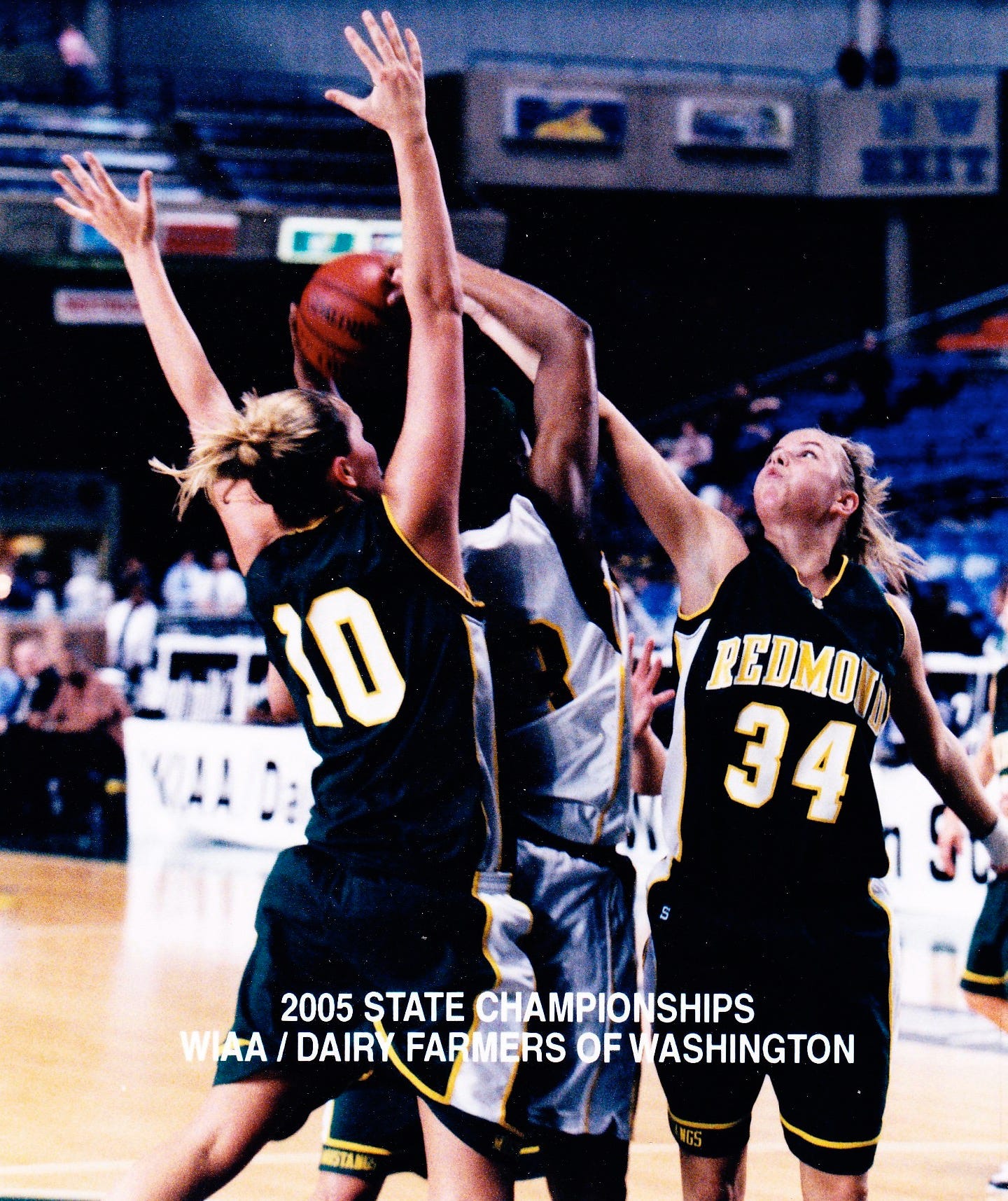
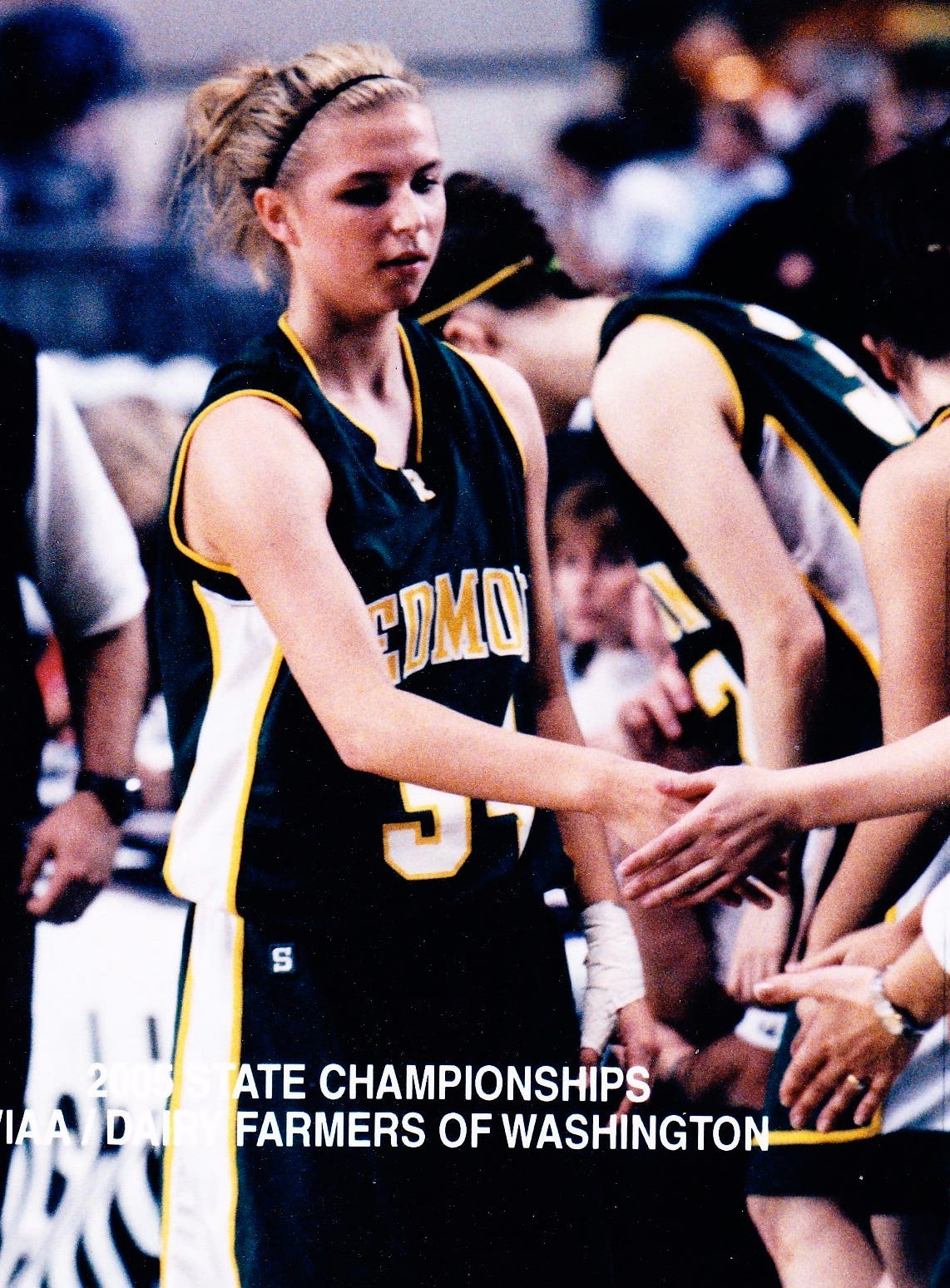
It felt like I was special. Like I was being rewarded. I had never received attention like this before. Sure, boys in my grade liked me - but they respected me and had known me since we were little kids. Many of them felt more like brothers. They knew me as the focused basketball player who trained hard and stayed disciplined.
I didn’t party and I didn’t go out on weekends. I wasn’t even allowed to go sledding because of the risk of injury. My world was structured, controlled, and performance-focused.
So when he began giving me attention, I felt something new - something I didn’t have context for. He was outwardly attractive, admired, and trusted. He was an authority figure in a space that mattered deeply to me.
And that is exactly why grooming works.
The abuse doesn’t feel like abuse in the beginning. It is wrapped in attachment and admiration and a systemic power imbalance. In the feeling of being seen by someone important. A child is not thinking, “Something is wrong.” A child is thinking, “Someone I respect notices me.”
Grooming creates emotional confusion before it creates harm. It builds closeness before it crosses boundaries. It teaches the child to interpret attention as care, and discomfort as connection. This is why survivors often carry shame - because part of the experience feels chosen or even wanted.
But that is not consent. That is conditioning.
Children do not choose manipulation. They respond to attention, authority, and trust exactly the way they are wired to. Grooming is not a mutual relationship - it is a gradual transfer of power. The man was someone trusted and that trust is what made the harm possible.
Another part of grooming is the creation of currency. He began buying alcohol for me and my friends. At the time, it felt exciting and it added value to what I brought to this new high school party scene I was suddenly inhabiting. It made him seem generous. and fun - like someone who understood us.
But this wasn’t generosity, it was leverage.
Providing something we were not supposed to have created a quiet, unspoken transaction. He was no longer just someone in authority - he was someone who gave us something others wouldn’t. That shifts a child’s sense of loyalty. It creates obligation without ever needing to say the words.
When someone gives you something secret, the secrecy itself becomes part of the bond.
It also blurs boundaries. The adult becomes protector, provider, and rule-breaker all at once. The child learns that discomfort can coexist with gratitude. That confusion is not accidental, it is part of the conditioning. What felt like kindness was actually control disguised as care.
Another layer of grooming happens in the social environment around the child.
Other girls in my grade began hearing about what was happening. At the time, I didn’t fully understand what they thought - but looking back, I now know many of them believed it was a consensual relationship. Something “cool.” Something “mature.”
And God, did I want to be those things.

When you are young, being seen as mature feels powerful. It feels like advancement. Like recognition. Like I was stepping into adulthood ahead of everyone else.
But the reality is I was nowhere near that. I was not experienced and I was far from empowered. I was about as innocent as a high school girl can be and I was not capable of choosing from a place of knowledge or equality.
When peers frame a harmful situation as impressive, it deepens the confusion and isolates the child even further. Instead of recognizing harm, I felt pressure to live up to an identity I was never ready for and never freely chose. What looked like maturity from the outside was actually vulnerability being manipulated.
Grooming did not stop with me - it extended to the people around me.
One of my closest guy friends (a boy I shot around with in the gym nearly every day) was also drawn into his influence. He was someone I trusted - someone who knew me and saw my daily life up close. Over time, he groomed that boy and even his mother to support his version of events. They repeated what he said about me. Their trust in him became a shield he used to protect himself.
What I could not understand then, I understand now: grooming often recruits allies and it creates credibility. It builds a network of people who will defend the person in power, sometimes without realizing they are participating in harm.
That boy eventually grew into a man who worked for him at his gym. Another personal trainer. The relationship didn’t fade, it deepened. His loyalty had been carefully cultivated long before any of us recognized what was happening, forever changing the trajectory of his life too.
Grooming is not only about gaining access to a child. It is about controlling the story others believe.
There is something else I understand now that I could not understand then. At one point, I was asked to sign a document with private investigators - a document that served to protect him.
Adults do not involve private investigators when nothing wrong has happened. Adults do not need legal protection from a child unless they know there is something to hide. Adults do not keep secrets like this from a child’s mother, unless they know they’ve done something very wrong.
If they needed my signature to shield him, then they understood the truth of what they were doing - even when I did not.
That moment revealed what grooming tries to conceal: this was never confusion. It was awareness on one side and naive trust on the other. Trust that was fully and wholeheartedly taken advantage of without consequence.
I was not chosen because I was special. I was chosen because I was trusting.
What happened was not maturity. It was manipulation.
If attention from an adult makes a young person feel special, indebted, secretive, or responsible for protecting them - that is not care. That is control.
I didn’t know that then. I do now.
And understanding that is where the shame ends.